TIG vs Stick Welding: What Changes for You (October 2026)
Choose TIG for precise, controlled work and stick for simpler setup and outdoor repairs. In TIG vs stick welding, the right choice depends on your material, work area and how much setup you want.
On this page (7 sections)
Choose TIG for precise, controlled work and stick for simpler setup and outdoor repairs. In TIG vs stick welding, the biggest difference is how you control the arc and add filler metal.
TIG uses a non-consumable tungsten electrode, with filler added separately when needed. Stick welding uses a flux-coated rod that melts into the joint, so the electrode supplies both the arc and filler.
A combination welder can support both processes, but its TIG mode may need a separate torch or other accessories. Our plain guide to welding machine types explains where TIG and stick sit alongside MIG and other processes.

TIG vs stick welding: what is the main difference?
TIG separates the torch from the filler rod; stick combines the electrode and filler in one consumable rod. That difference affects pace, setup and how much coordination each process asks from you.
With TIG, the tungsten electrode creates the arc but does not become part of the weld. You guide the torch with one hand and feed filler with the other when the joint needs it.
With stick, the electrode melts into the joint while its coating creates shielding and slag. You hold one electrode in the holder, strike the arc, and replace the rod as it gets short.
TIG gives you finer control over heat and filler placement. Stick has fewer separate pieces to manage, but you need to maintain a steady arc as the electrode shortens.
Neither process guarantees a stronger weld. Fit-up, material, joint design, settings and technique all affect the result.
What does the power source change?
A welder's input, output and TIG start method affect where and how you can use it. Amperage alone doesn't tell you whether a machine fits your shop or the work you have planned.
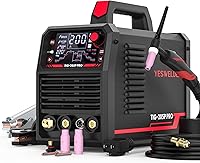
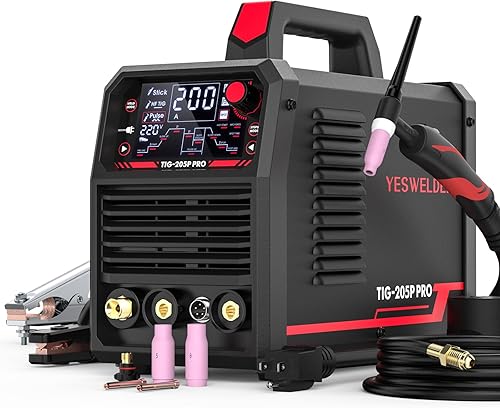
Some machines combine DC TIG and stick. The YESWELDER TIG-205P adds pulse TIG and auto-sensing 110V/220V input, while the S7 200A offers DC TIG and stick with dual-voltage input.
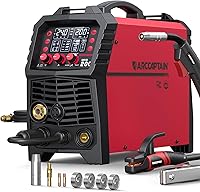
Other machines are stick-first with a simpler TIG option. The ARCCAPTAIN 200A supports lift TIG, and the Lincoln Electric Weld-Pak 225i supports touch-start TIG with additional accessories.
Those start methods and included equipment differ. Check the mode, torch, pedal and input requirements before buying, since a TIG label alone doesn't tell you what setup you'll need.
Which process is easier to learn?
Stick is often easier to set up, while TIG can offer finer control once you learn its hand movements. Your comfort with coordination and practice time can matter more than a broad claim that one process is easy.
Stick has a short setup path: connect the work clamp and electrode holder, select an electrode, and set the machine for the job. The electrode coating provides shielding, so you don't need a separate shielding-gas cylinder.
You still need to learn to strike an arc without sticking the rod and to keep a consistent arc length. Slag removal and rod changes are part of the process.
TIG asks you to coordinate more pieces. You guide the torch and add filler separately, and the setup may also require a gas supply and a suitable torch.
That control helps when neat bead placement matters. It also means more setup and practice before the process feels natural.
If you're starting with stick, compare the options in our guide to stick welders for home shops. For TIG-focused machines, see our picks for TIG welders for beginners.
Who should skip TIG or stick?
Skip TIG as your first choice if fast setup or open-air work matters more than fine control. Skip stick if you mainly need careful work on thin material and want direct control over filler.
TIG is a poor fit for someone who doesn't want to manage a torch, filler rod and gas setup. It can also be inconvenient in a breezy location where shielding gas may not protect the weld area well.
Stick is a poor fit when your main work is delicate, thin sheet and you want to limit heat carefully. The consumable rod and slag also add interruptions that may not suit clean, detailed work.
If neither tradeoff fits, compare another process before buying. Our guide to MIG welders for home use covers a process that many home shops consider for general fabrication.
Which is better for outdoor repairs?
Stick is usually more practical outdoors because wind does not disrupt shielding gas at the arc. TIG can work outside in a sheltered area, but airflow and weather need attention.
Stick's flux coating shields the arc as the electrode melts. That makes it useful for maintenance and repair jobs where you cannot fully control the surroundings.
TIG usually depends on shielding gas at the torch. Wind can disturb that shield, so an open, breezy area can compromise protection around the weld.
Outdoor work also means planning for dry footing, safe power, cable routing and protection from rain. Don't weld in wet conditions or where the machine's instructions prohibit use.
For pipeline-related machine considerations, read which welding machine is used for pipeline work. The right choice depends on the job and the required procedure, not just whether the welder is portable.
Which process works better on thin metal?
TIG gives you more direct control over heat and filler, which can help on thin material; stick can be harder to manage as material gets thin. Settings, joint design and technique still matter.
TIG lets you add filler only as needed. Pulse settings on some machines can help you manage the weld rhythm, and the YESWELDER TIG-205P offers adjustable pulse controls for DC TIG.
Stick can be useful on thicker repair material, but thin sheet may burn through if heat input is too high. Electrode size, current and travel speed all affect the result.
For auto body and sheet metal, the material thickness and the job should guide your choice. Our guide to welders for auto body and thin sheet metal covers the tradeoffs for that work.
Can TIG weld aluminum better than stick?
TIG is a common process for aluminum, but you must confirm the machine supports the right type of TIG. The YESWELDER TIG-205P cannot weld aluminum, and the available information for the other machines here doesn't confirm aluminum TIG support.
Don't assume a DC-only TIG mode can weld aluminum. Confirm the machine's process type and material guidance, then match it to the aluminum thickness and joint.
What setup and cleanup should you expect?
Stick needs less gas equipment, while TIG may require a torch, gas and separate filler. Stick welding leaves slag to remove after the weld; TIG still needs clean preparation and consumables.
With stick, connect the work clamp and electrode holder, fit the right rod, then set current for the electrode and material. After welding, chip away slag and inspect the bead.
With TIG, check the torch, tungsten, filler rod and gas setup. Some machines need a separate torch or foot pedal, so confirm what the machine supports and what comes with it.
The YESWELDER TIG-205P has a 5-pin foot pedal interface, but its foot pedal is an additional accessory. The Lincoln Electric Weld-Pak 225i needs additional TIG accessories for touch-start TIG.
Duty cycle also matters when you plan longer welds. Our guide to welder duty cycle explains how rated output and time at that output affect the work you can do before a cooling break.
How should you set up and care for a dual-process welder?
Start by matching the machine's mode and accessories to the process you plan to use. Keep the work area dry, clear the airflow around the welder, and follow the machine and consumable instructions.
For stick, inspect the holder and work clamp, choose an electrode suited to the job, and set current according to the electrode and machine guidance. Store electrodes as their manufacturer directs, since moisture can affect some rods.
For TIG, confirm that the torch, tungsten, filler and gas arrangement match the machine and material. Keep consumables clean and handle the tungsten carefully so dirt or contact with other materials doesn't compromise the setup.
Let the machine cool as its instructions require, and don't power it off while its screen or fan is still running if the instructions warn against it. The ARCCAPTAIN 200A specifically says to wait until the screen turns off and fan stops before powering down.
Which process should you choose?
Choose TIG when controlled heat and filler placement matter most; choose stick when portability, simple setup and outdoor repairs matter more. If you want both, check how the machine implements TIG before you buy.
Choose TIG for precise work in a stable area where slower operation and added setup are acceptable. It can suit thin material and jobs where you want to place filler carefully.
Choose stick for maintenance, outdoor jobs and projects where a gas setup would be inconvenient. It is also a sensible first process if you want straightforward equipment and are ready to practice arc control.
Choose a dual-process welder if both uses are regular parts of your work. Compare TIG start type, included torch, input voltage and duty cycle, then read whether a multi-process welder is worth it for a home shop.
The ARCCAPTAIN 200A Stick Welder suits portable, stick-first work and adds lift TIG, though its TIG torch is not included. The YESWELDER TIG-205P suits TIG-focused buyers who want stick and pulse modes too, but it cannot weld aluminum.
TIG vs stick welding: make the choice
Pick TIG for precise work in a sheltered shop, and pick stick for portable repairs where simple setup and outdoor flexibility matter. If neither matches your workload, compare the MIG welder vs stick welder differences before choosing a machine.
Check the process mode, input voltage and accessories against your actual jobs. A dual-process label only helps if the machine's TIG setup and stick capability both fit the way you'll work.
Frequently asked questions
Is TIG welding better than stick welding?
TIG is better when you need precise control over a clean joint and can work at a slower pace. Stick is often more practical for outdoor repairs, rusty or less clean surfaces, and a simpler equipment setup.
The better process depends on the material, joint, position and working conditions.
Is stick welding easier to learn than TIG?
Many beginners find stick easier to set up because the electrode carries its own flux and no shielding gas is needed. TIG asks you to coordinate the torch, filler rod and often a foot control.
Either process takes practice to make consistent welds.
Can one welder do both TIG and stick?
Yes. Several machines combine the processes, but TIG capability can mean different things: some provide DC TIG with high-frequency start, while others offer lift or touch-start TIG and need a separate torch or other accessories.
Check the exact mode and included equipment before choosing.
Can TIG or stick welding be used outdoors?
Stick is generally easier to manage outdoors because wind does not blow away shielding gas from the arc. TIG can work outside when conditions are sheltered and stable.
Follow the machine and consumable instructions, and use suitable protection against wind, weather and electrical hazards.
Can a DC TIG welder weld aluminum?
The YESWELDER TIG-205P cannot be used to weld aluminum. Aluminum TIG commonly calls for AC capability, so confirm the exact machine's process and material support before you buy.